France is one of those rare destinations that shine year-round, no matter when you decide to visit. That’s probably why France has held the accolade of the most visited country in the world for over 30 years running, breaking its own record in 2025 by welcoming 102 million international visitors.
From the lavender fields of Provence in the spring to the sun-soaked French Riviera in the summer, Bordeaux’s vineyards bursting with colour in the autumn, and the ski season in full swing in the French Alps in the winter months, there’s something for every type of traveller in France all year.
Here’s a month-by-month guide to visiting France, so that you can decide which month is best for you.
January: Budget Breaks and Ski Season
January is one of the quietest months for tourism in France, which makes it an ideal time for visitors seeking a quieter experience with budget-friendly hotel prices, particularly in the north of the country.
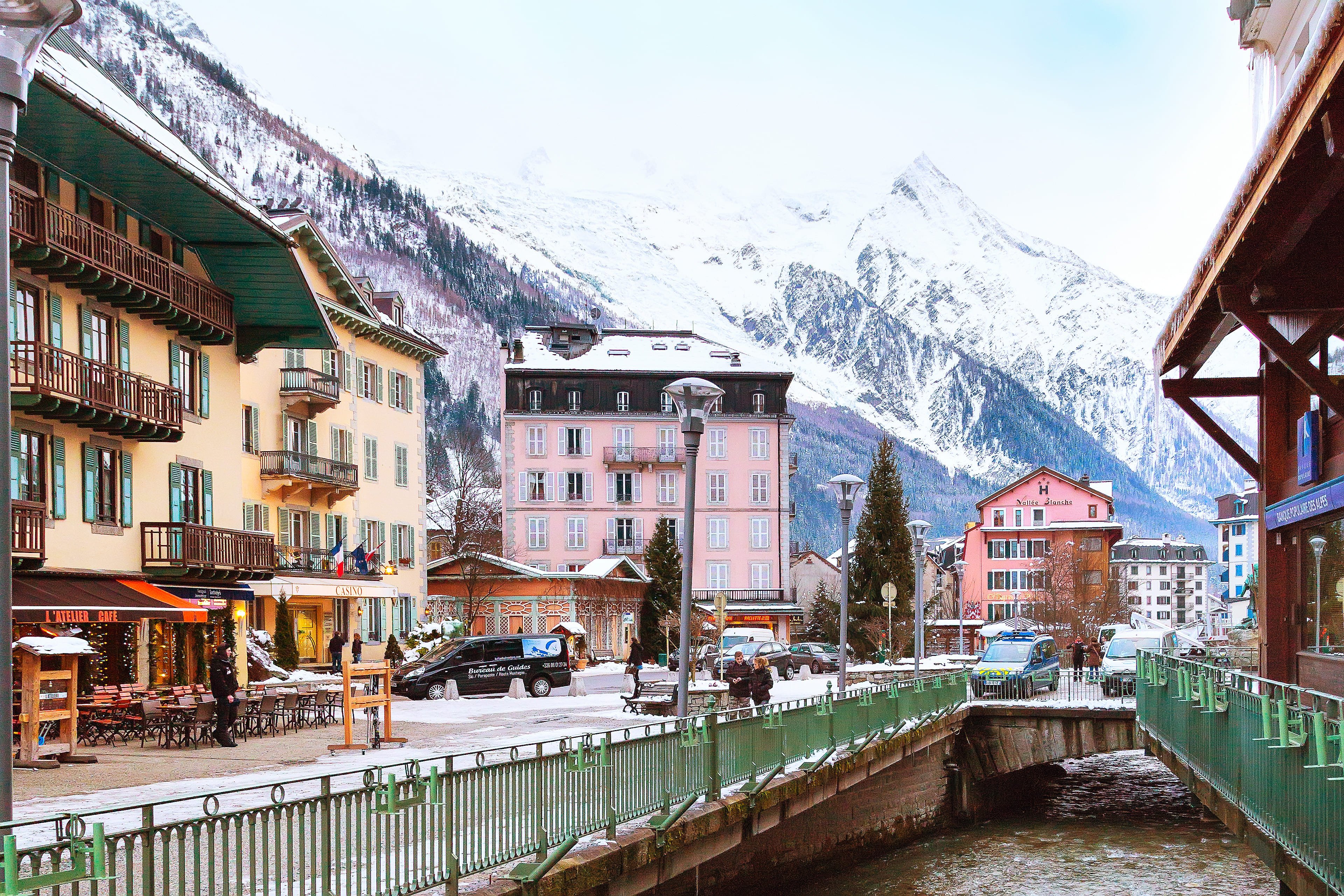
However, it’s also when the ski season is arguably at its peak – so if you’re planning a skiing trip in Chamonix or anywhere else in the French Alps, you may not experience the same level of discounted prices.
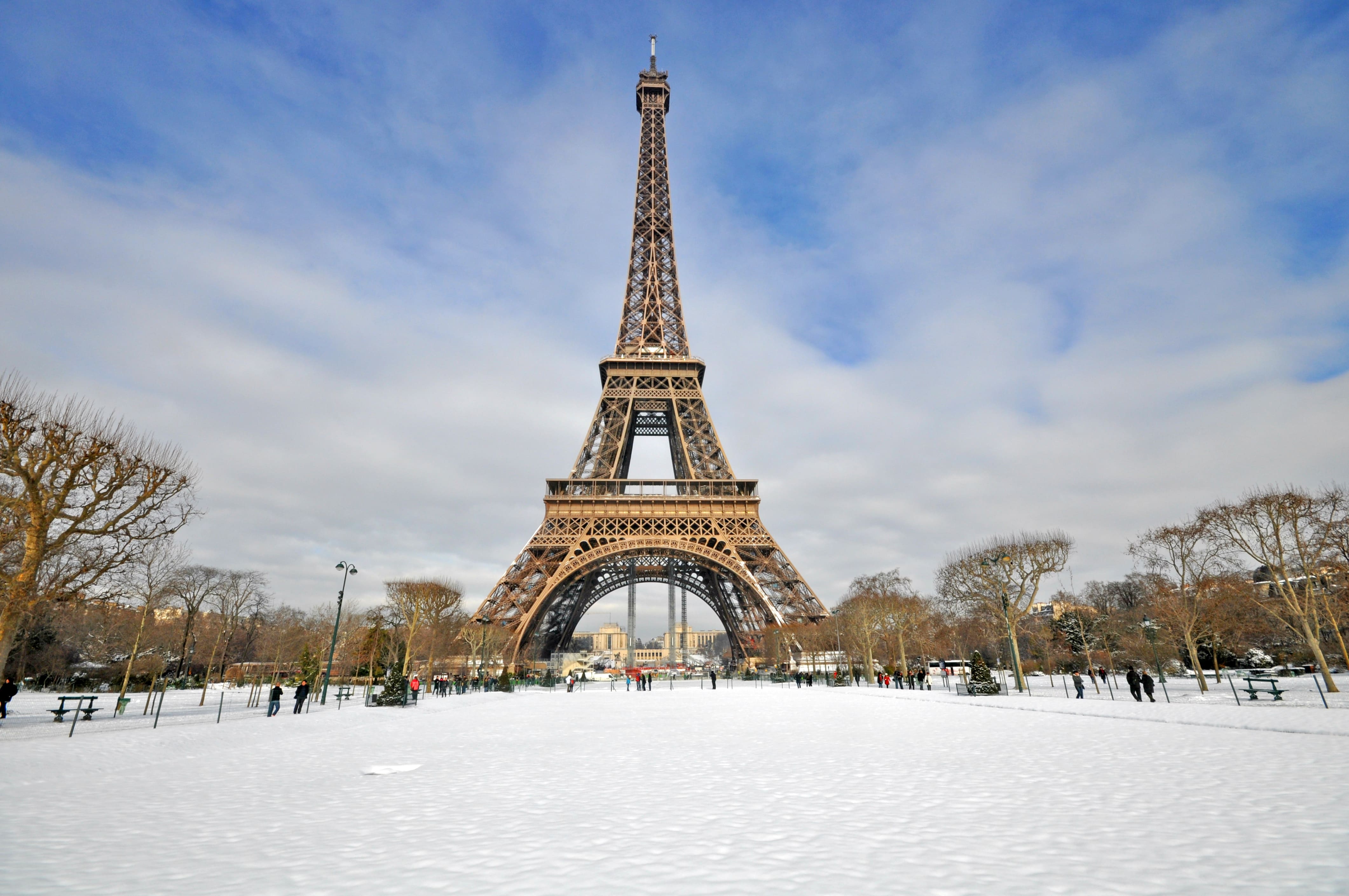
For those seeking city breaks, visiting France in January is ideal: think shorter queues for attractions such as the Eiffel Tower and the Louvre in Paris, and warming hot chocolate after a day of exploring the city.
It is important to note that if you are planning on visiting the South of France in January, as it is largely seasonally operated, some attractions may be closed, so to avoid disappointment, you should check before you book.
Average Temperatures:
Paris: 3℃ – 8℃
Val Thorens: -11℃ – -3℃
Montpellier: 4℃ – 11℃
February: Winter Festival Month
France is still firmly in the grip of winter during February, but it is also the month when many towns and cities around the country begin traditional winter celebrations.
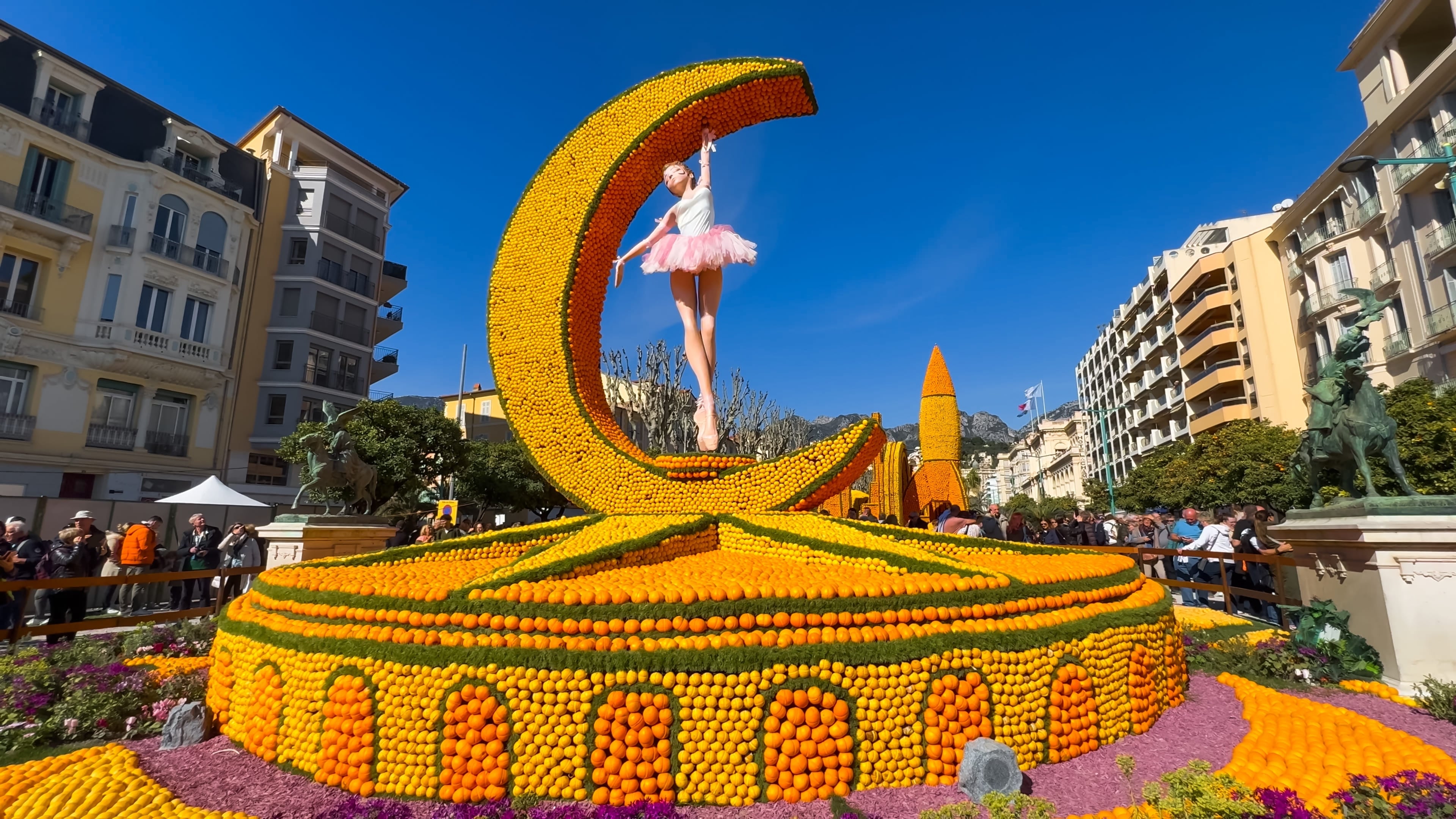
For example, in Menton, just steps from the Italian border on the French Riviera, the Fête du Citron, or Lemon Festival, takes place for two weeks every mid-February until early March. It celebrates the region’s citrus production, featuring lively celebrations and huge sculptures made from over 140 tonnes of lemons and oranges.
Meanwhile, Valentine’s Day is celebrated nowhere better than in Paris, the City of Love. However, if you’re planning a romantic break in Paris over Valentine’s Day, you will need to book in advance, and you should also expect to pay eye-watering prices for accommodation.
Nice Carnival is also celebrated along the French Riviera in February as the region starts to slightly warm up, while in the Alps, ski season is still in full swing – making February an equally good chance to hit the slopes.
Average Temperatures:
Paris: 2℃ – 9℃
Les Deux Alpes: -10℃ – 0℃
Nice: 8℃ – 14℃
March: Early Spring Adventures
While March traditionally marks the beginning of spring, temperatures can fluctuate, and the weather can be unpredictable across the country, which means that tourist numbers are still fairly low.
The French countryside begins to emerge from winter, although temperatures are still cold overnight and early in the morning, which makes for some stunning frosty mornings. In Paris, trees begin to bloom, while the ski season begins to quieten down in the French Alps.
Further south, the temperatures begin to pick up, and it can often be comfortable enough to wear a light jacket or even a t-shirt if you’re brave in the south of the country. Many of the attractions along the Riviera, which shut down over winter, slowly begin to reopen, and you can still get some good deals in the south of France for some late winter or early spring sunshine.
Average Temperatures:
Paris: 4℃ – 12℃
Bordeaux: 5℃ – 14℃
Marseille: 7℃ – 16℃
April: Spring Has Sprung
Temperatures rising, trees in bloom and more tourists arriving to experience the delights of France in April.
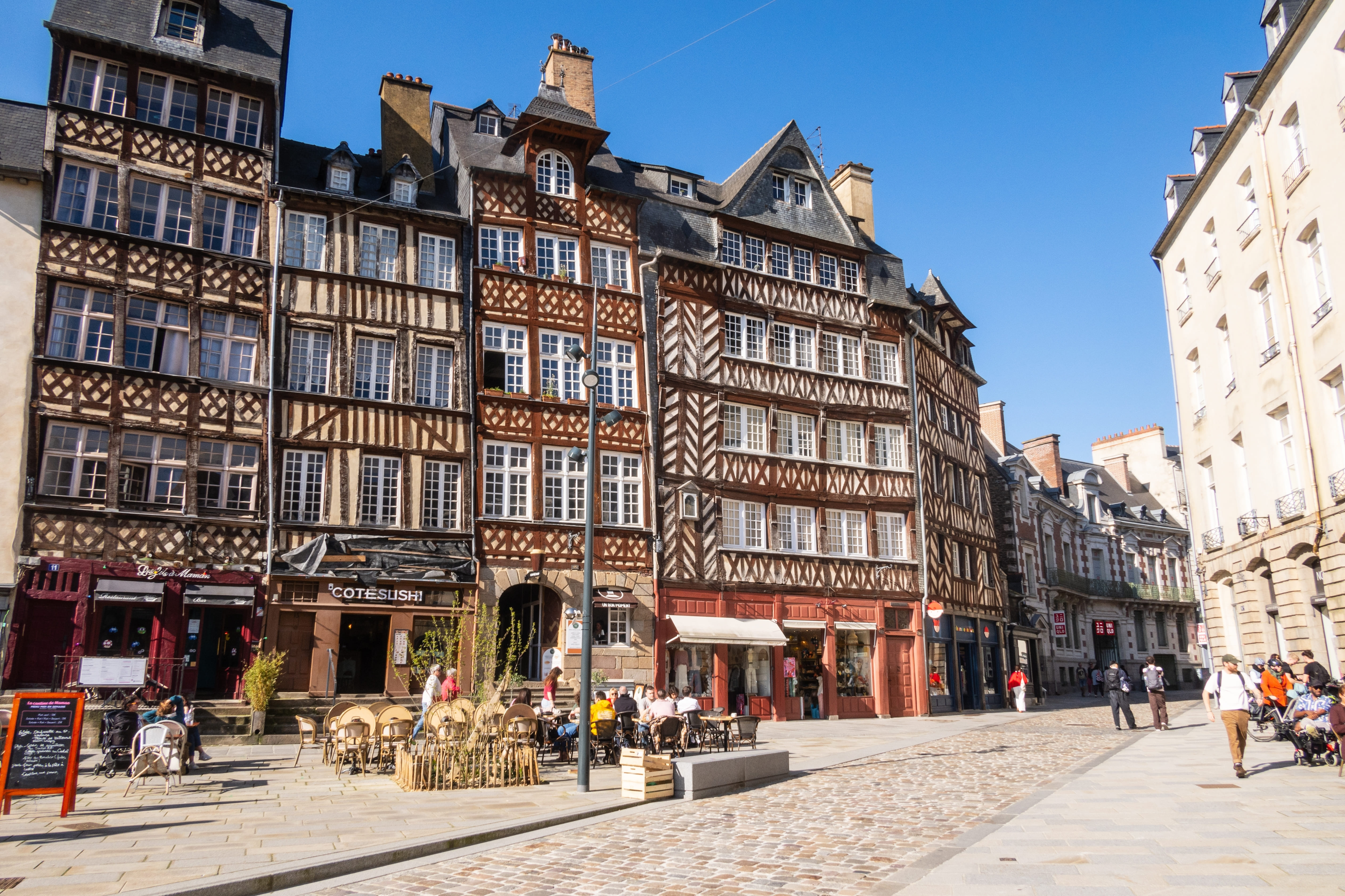
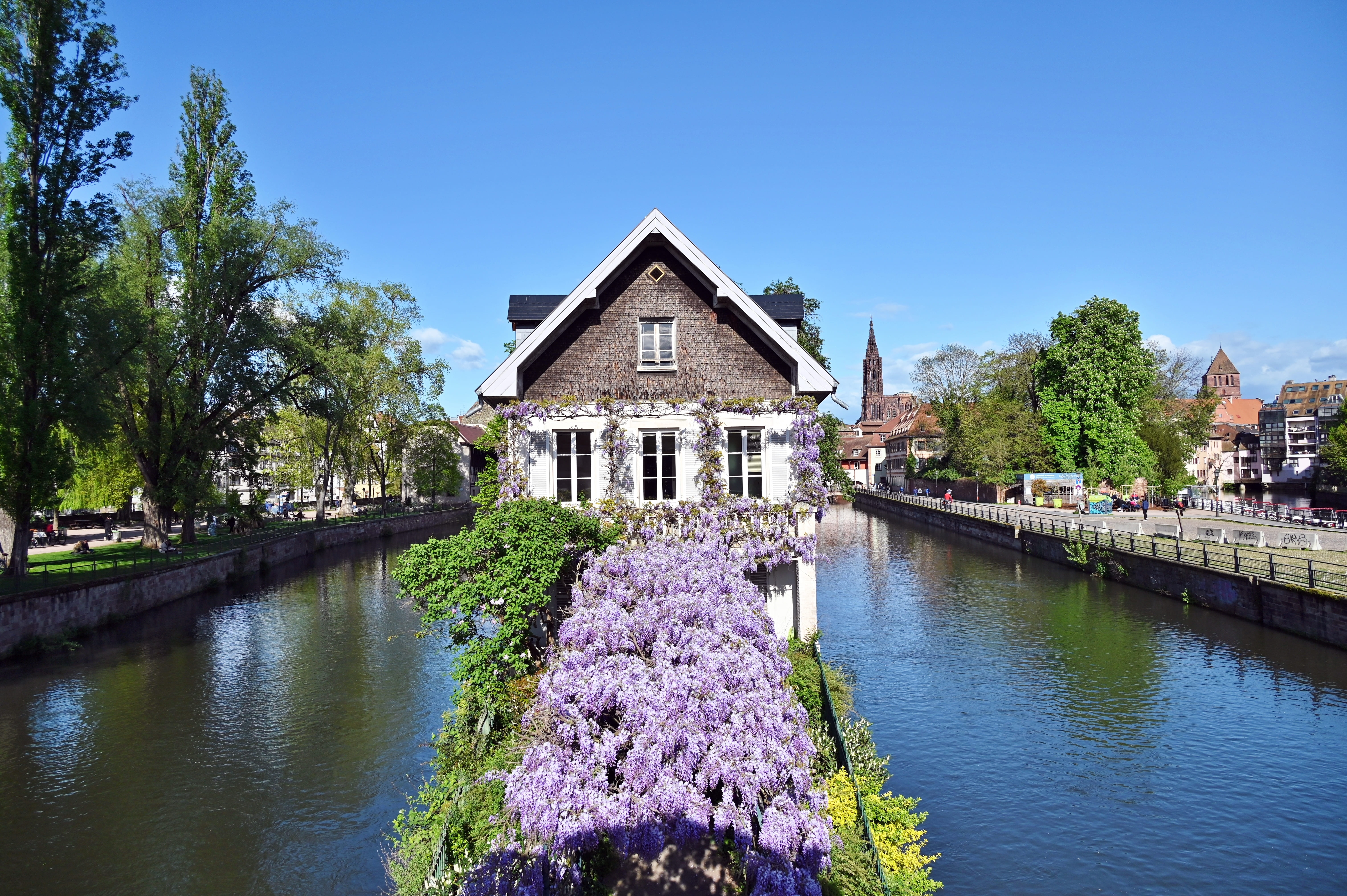
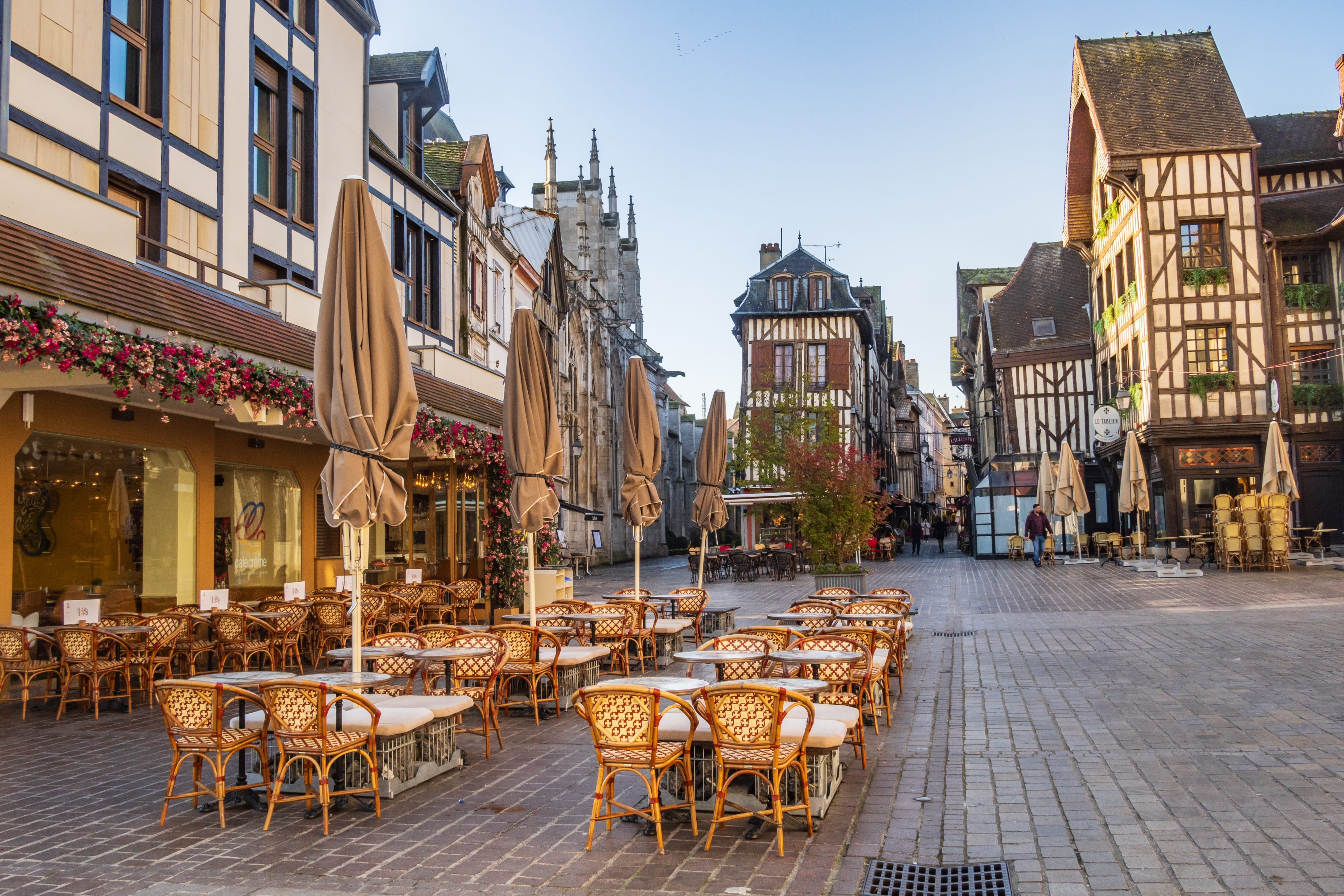
Across the country, and especially in regions such as the Loire Valley and Brittany, parks and gardens burst into colour, with spring flowers and early summer shrubs blooming, while the warmer temperatures enable people to experience the authentic French café culture: enjoying a coffee streetside under the spring sunshine, simply people watching.
The French capital comes alive in April, with the world-famous cherry blossoms offering a charming touch to classic Parisian landmarks. With comfortable walking conditions, particularly in the South of France, walking tours are an excellent way to experience the region.
However, April is usually when Easter falls, and with many European schools having breaks over Easter, you can expect a significant rise in air fares, hotels and more – so make sure to book in advance for the best deals, or avoid the school holidays if you’re not visiting with children.
Average Temperatures:
Paris: 7℃ – 17℃
Rennes: 4℃ – 16℃
Nice: 10℃ – 18℃
May: France at Its Very Best
If there was ever a near-perfect month to visit France, May is a strong contender. Temperatures are warm without being uncomfortable, while the countryside explodes into lush shades of green.
May is also ideal because the peak summer crowds have not arrived yet – meaning that you can enjoy the warm weather and attractions without the huge queues and bustling streets.
If you’re travelling with little ones, this can be an excellent time to visit Disneyland Paris, as you can book hotel prices at reduced rates compared the peak of summer, while the same goes for much of the rest of the country.
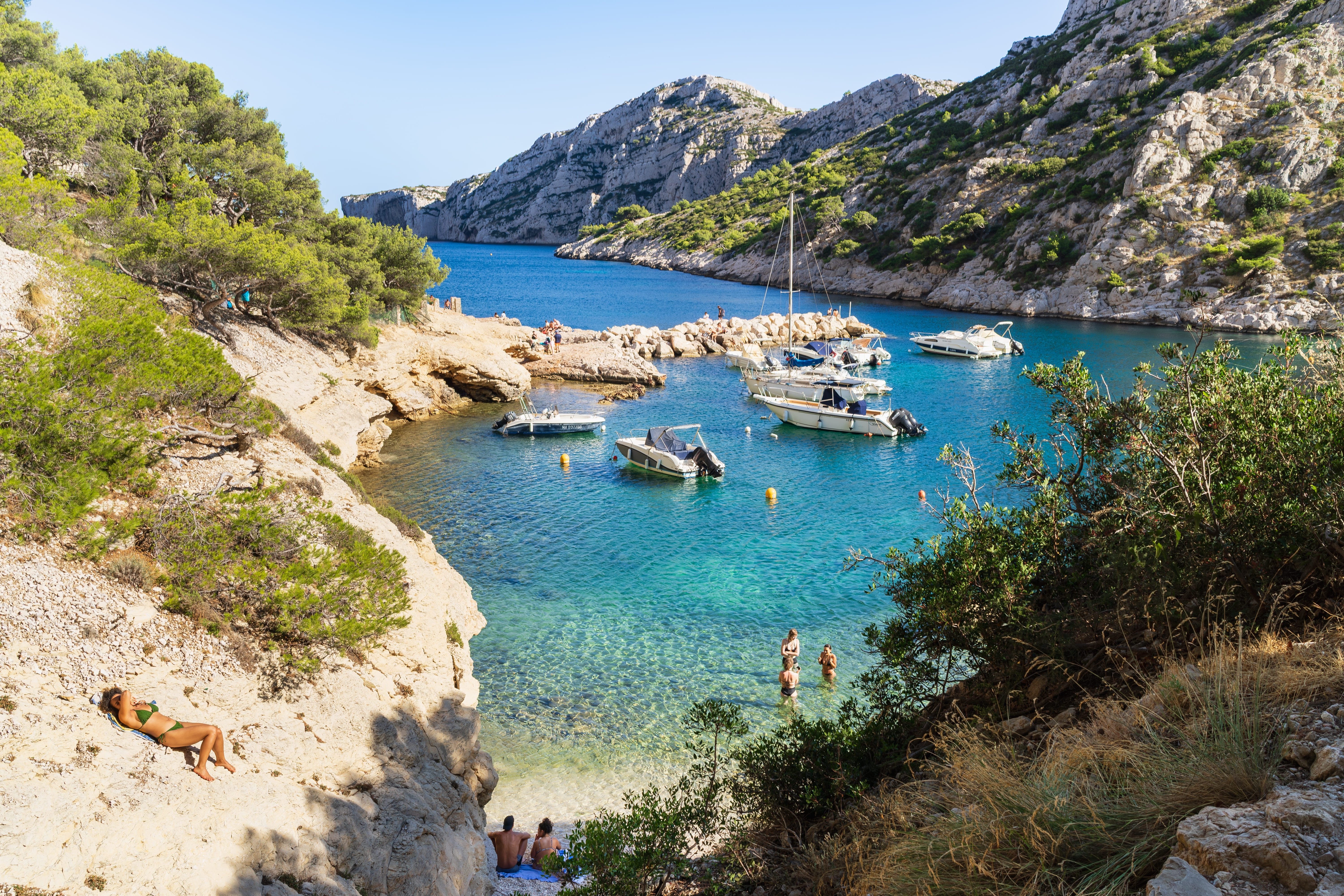
The southern coast of France comes to life in May, with French Riviera towns and cities becoming some of the first places in the country to surpass 30℃ on a very good day. For some early summer sun, the South of France is an ideal location.
Average Temperatures:
Paris: 10℃ – 20℃
Lille: 8℃ – 18℃
Cannes: 14℃ – 21℃
June: Summer Without the Crowds
Another stunning month to visit France is June, when you can see a French summer without the masses of tourists.
June is the ideal time to visit anywhere across the country – from experiencing outdoor bistro culture and al-fresco dining in major cities, late-night evening strolls through the lavender fields of Provence, beach holidays by the Riviera, hiking and trail running in the Alps, and the beginning of live music festivals throughout the month.
Aside from the weather, holidaymakers can also take advantage of lower prices with the same weather in June as there is in July and August (generally), making France a good destination for a summer holiday before the school term finishes. However, prices begin to creep up at the end of June, so if you’re travelling on a budget, we recommend visiting early in the month.
Average Temperatures:
Paris: 14℃ – 23℃
Avignon: 17℃ – 29℃
Chamonix: 12℃ – 25℃
July: Peak Summertime in France
July brings the biggest crowds to France, thanks to the largely excellent weather throughout the country.
The cities come to life with a multicultural blend of tourists from all corners of the globe, while the beach towns see their busiest month of the year, and locals and foreign visitors alike flock to the stunning beaches along the country’s coastlines.
Arguably, the most famous day in the French calendar comes in July, too: Bastille Day, on 14th July. This celebration is a public holiday in France, and celebrates the Storming of the Bastille prison in 1789, a huge turning point in the French Revolution.
Bastille Day celebrations throughout the country are excellent, although Lyon hosts some of the most scenic, with spectacular fireworks displays over the river and former Roman fortresses. For cycling enthusiasts, the Tour de France takes place every July, and it is a fantastic opportunity to see some of the world’s best cyclists in action.
Be aware that prices are at their highest for most of France in July, so if you want to save money, it’s best to visit another time of year.
Average Temperatures:
Paris: 15℃ – 26℃
Lyon: 16℃ – 30℃
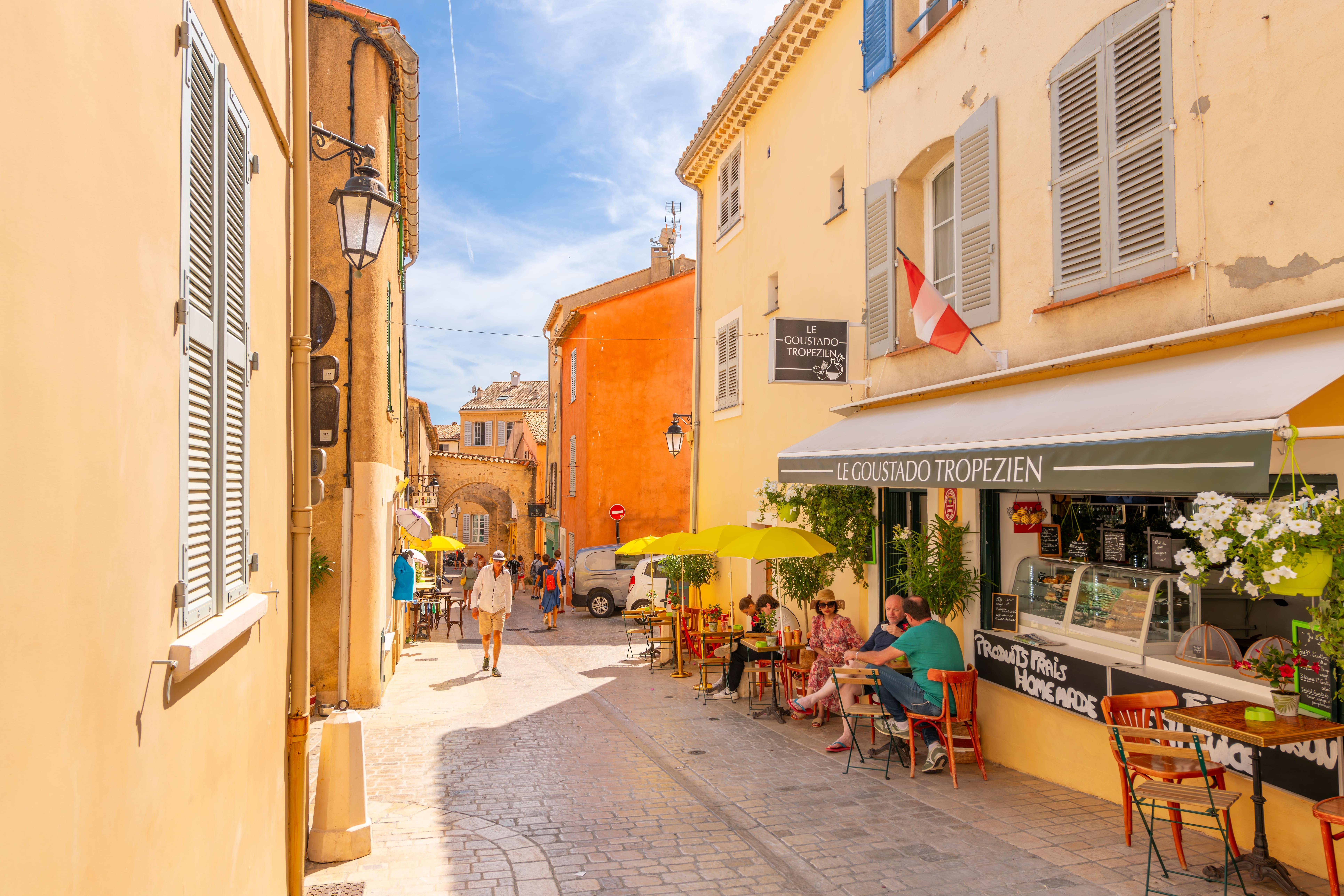
Saint-Tropez: 22℃ – 30℃
August: When the French People Holiday
The busiest month in the majority of France, August is another popular month for tourists to visit.
However, it is also a popular month for French people to flock to the Riviera for an annual summer holiday – meaning that many small businesses in major cities such as Paris, Lyon and Bordeaux often shut down for a week or two every August.
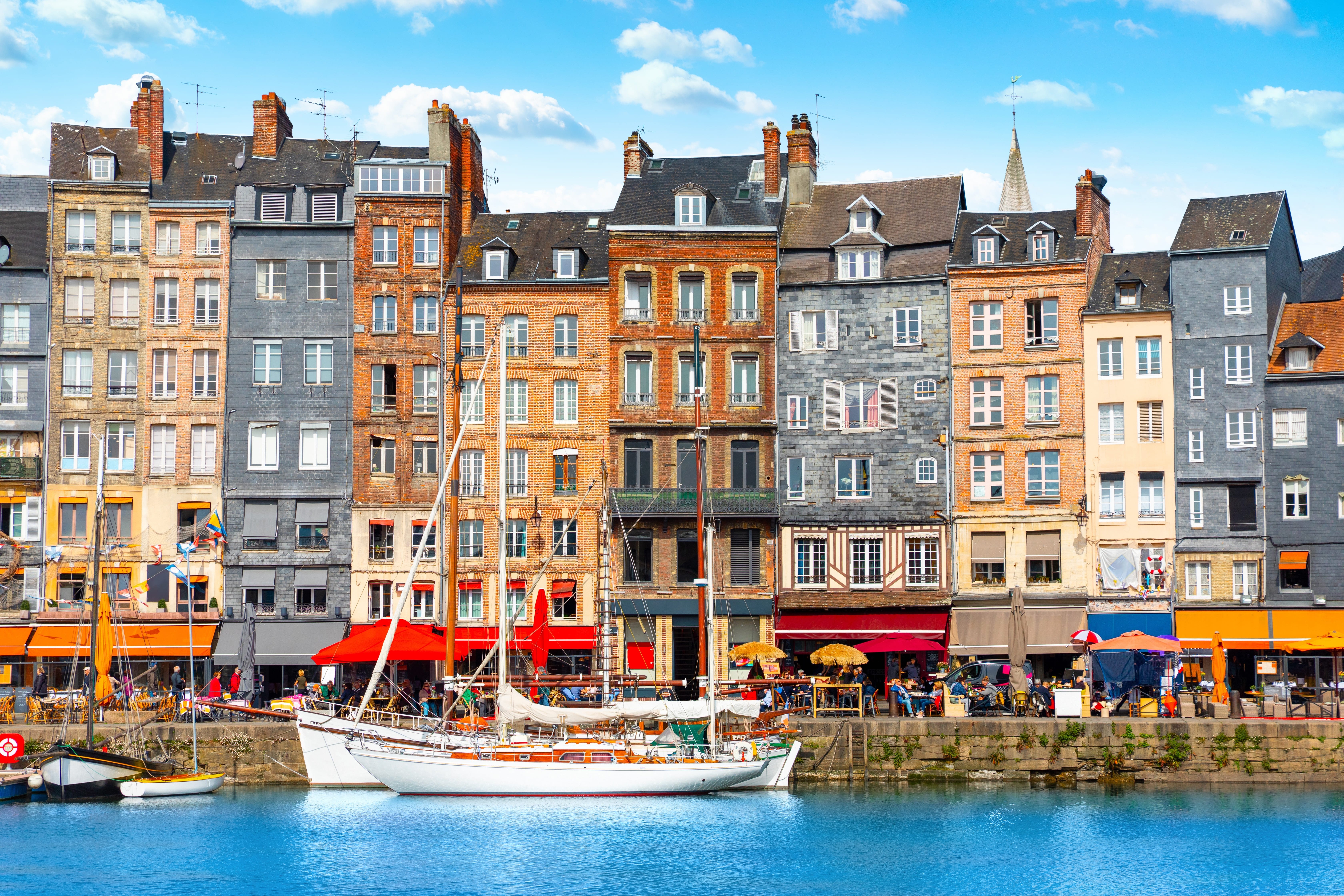
Nevertheless, August’s warm and dry weather makes coastal visits in France some of the best in Europe – and in Normandy, many people choose to combine a cultural holiday with the region’s deep history alongside visiting the many beaches of northern France.
Further south, the warm waters of the Mediterranean Sea attract visitors from across the globe, with many celebrities making the Riviera their second home for the summer, as thousands of luxury yachts dock in the ports of Monaco, Nice and Marseille.
Average Temperatures:
Paris: 16℃ – 25℃
Le Havre: 15℃ – 21℃
Monaco: 21℃ – 26℃
September: Back into the Shoulder Season
Like May, September sits on the other side of the peak months in France, making it an excellent month to visit the country.
Because most of the schools in Europe have resumed, many of the cities and towns are quieter, especially during the day, while still having pleasant weather, albeit slightly cooler compared to the peak of summer, making excursions like walking tours pleasant.
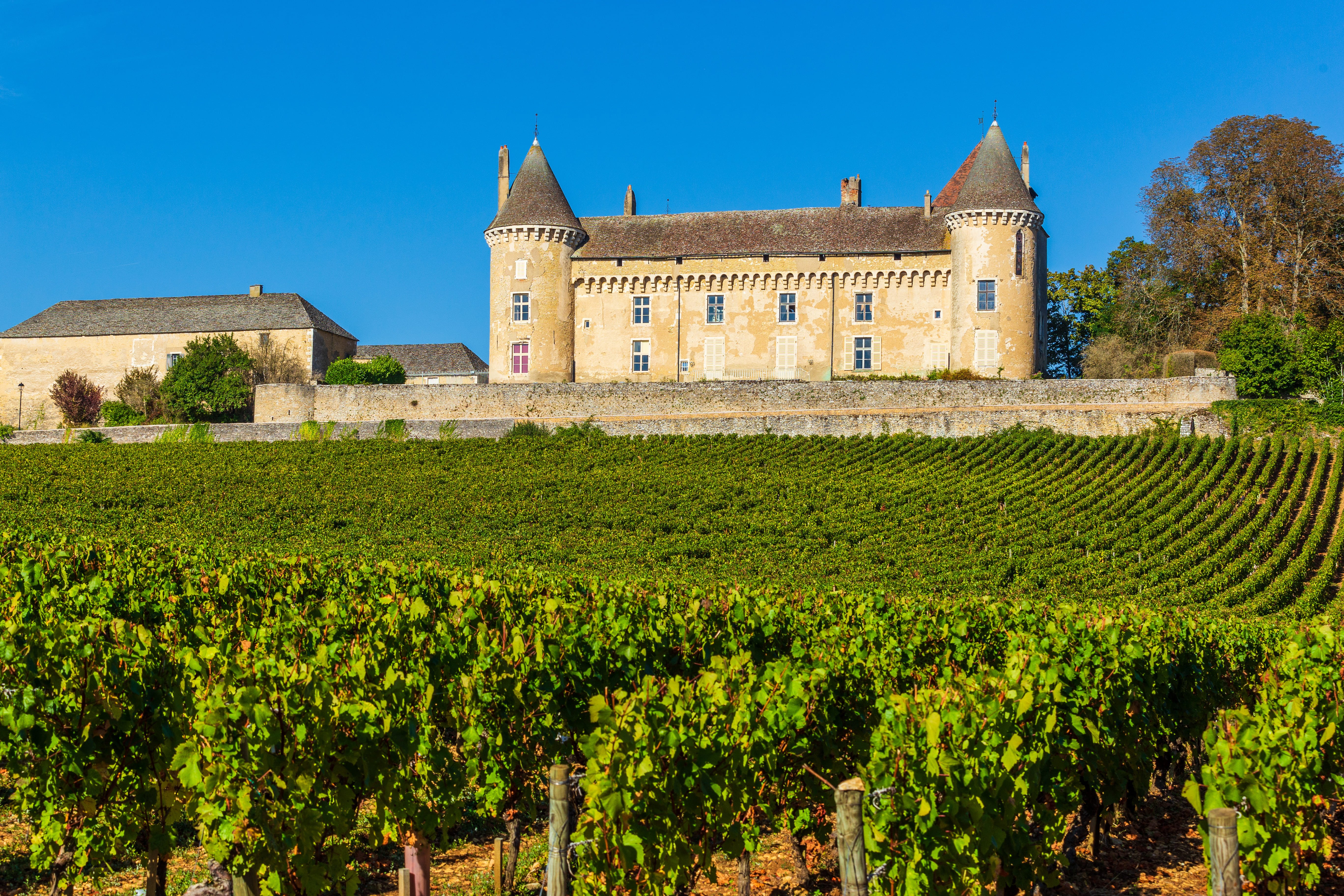
In addition, September sees the annual grape harvest throughout most of France, and the season when the sweet fruits are at their ripest. Vineyard tours are an excellent way to learn about the history and production of world-class French wines, especially in September.
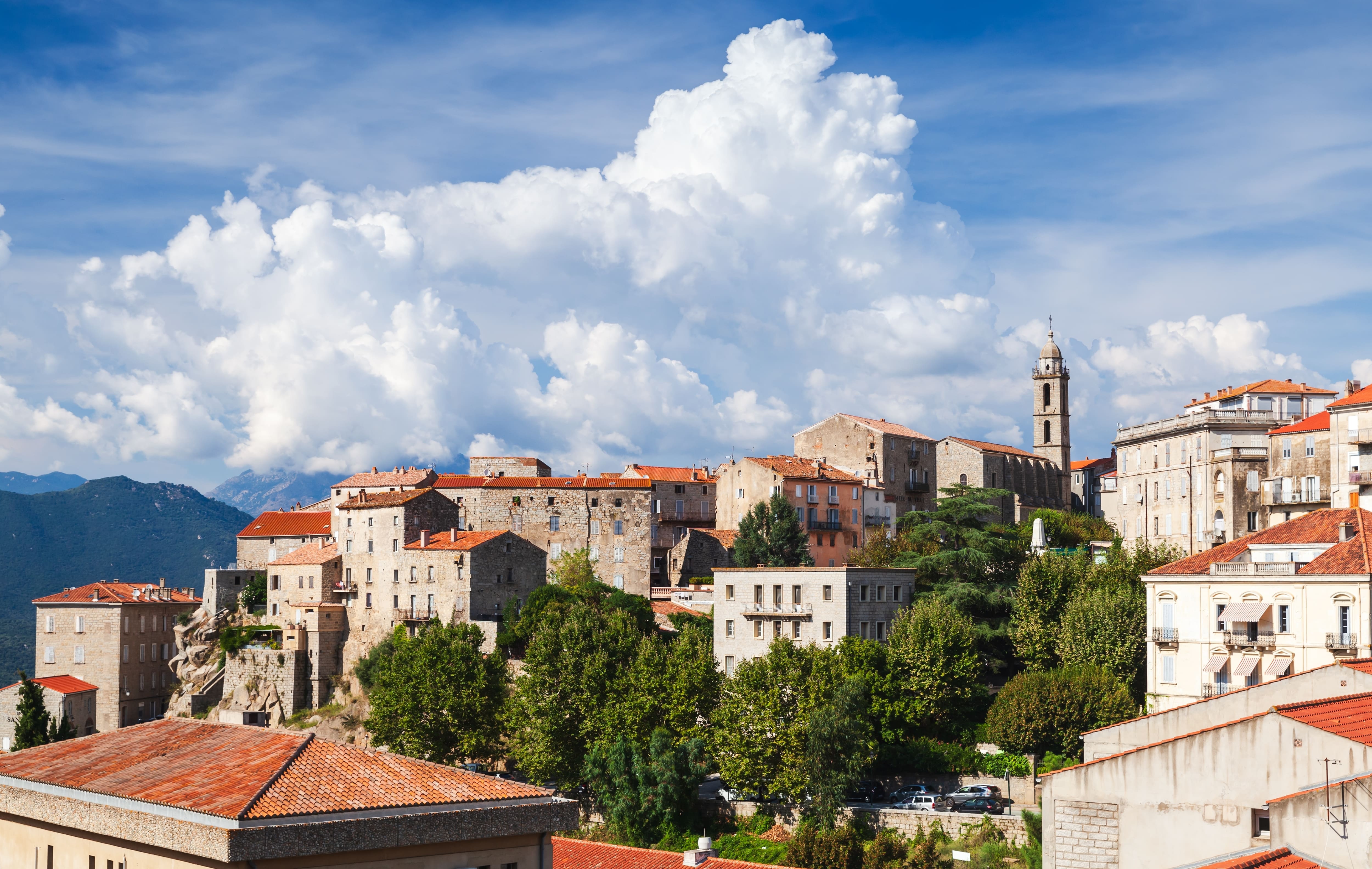
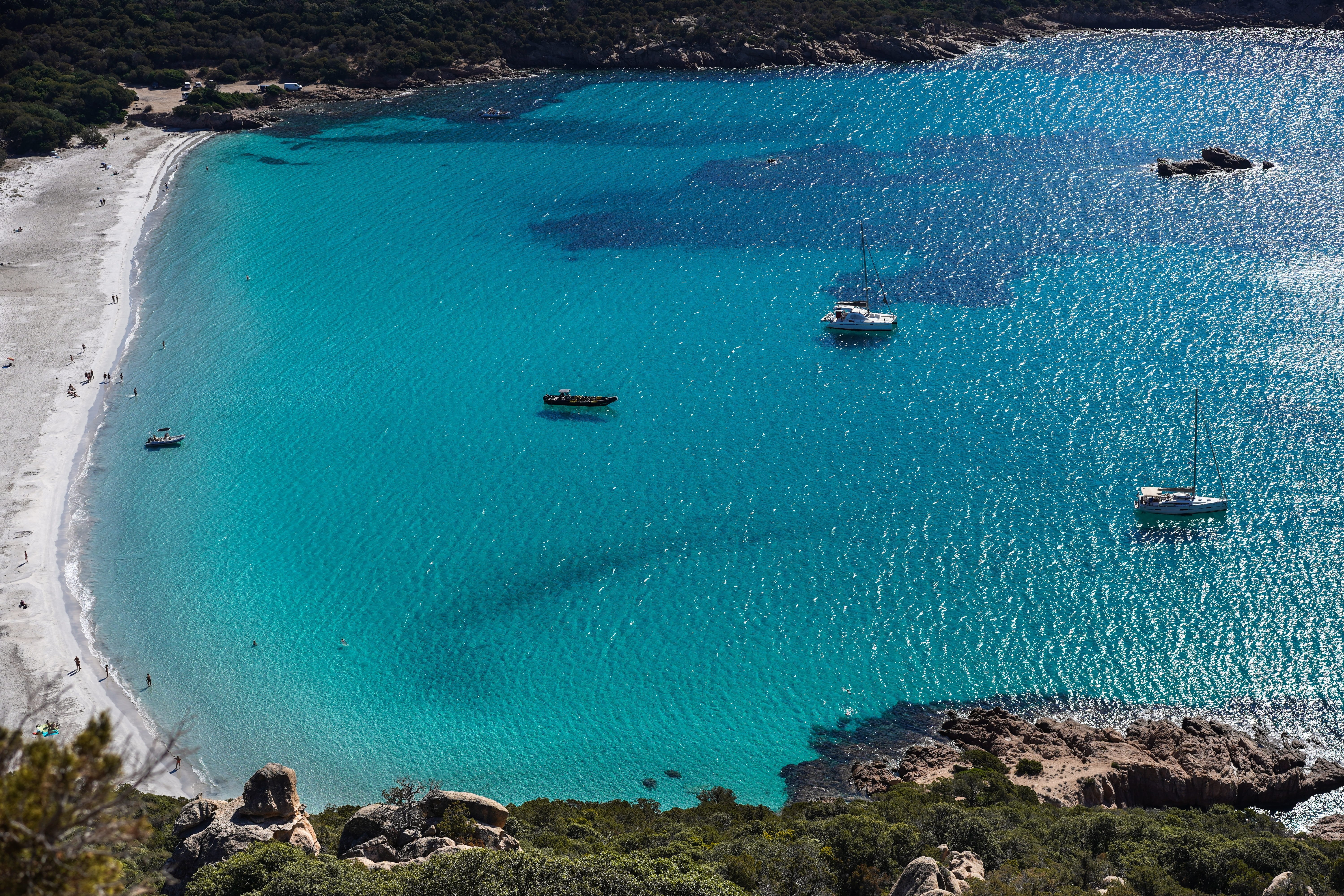
The further south you go – and especially if you visit the French island of Corsica in the Mediterranean – September still feels like summer, and you can enjoy a late summer holiday without the crowds or huge price increases.
Average Temperatures:
Paris: 13℃ – 21℃
Burgundy: 12℃ – 23℃
Corsica: 16℃ – 28℃
October: Autumn Colours and Wine Country
While September might be the peak of the harvest, October is usually the best month for enjoying the fruits of the harvest – especially in the form of wine.
Crisp mornings are followed by cool afternoons, and what’s better than enjoying a rich glass of French red in a cosy chalet?
For the keen photographers, October is an excellent month to visit France, as the countryside transforms from a lush green landscape into hues of oranges, reds and yellows as autumn firmly takes over.
This also comes with another advantage – lower prices and fewer crowds without freezing weather conditions.
Average Temperatures:
Paris: 9℃ – 16℃
Champagne: 7℃ – 16℃
Nantes: 9℃ – 18℃
November: Best Budget Travel Month
November is consistently one of the most – if not the most – underrated months for travel in France.
While nobody visiting France in November is doing it for the weather, the often rainy November combined with orange-leafed trees can create some stunning landscapes, particularly in France’s medieval cities and coastal towns.
Major cities are often cheaper to visit, with reduced prices on hotels, while air fares and car hire prices can also see a decrease during the month. For a truly authentic French experience, you should visit without the tourist crowds, and the best time to do so is definitely November.
Plus, November has the advantage of most major attractions, such as monuments and museums, being quieter, so that means less time queuing and more time experiencing. What’s not to love about that?
Average Temperatures:
Paris: 5℃ – 11℃
Bourges: 4℃ – 13℃
La Rochelle: 8℃ – 14℃
December: Christmas Magic in France
In December, France transforms into a winter wonderland. While most cities do not get snow until January or February, the ski season opens in the French Alps and is a popular destination for winter sports enthusiasts who want to avoid the big crowds in January and February.
December is also an excellent time for couples or families to visit to experience Christmas markets throughout France. Disneyland Paris is ideal for those with young children, while cities such as Strasbourg (known as ‘the Capital of Christmas’), Metz and Reims all offer fantastic Christmas markets, beloved by travellers from all over the world.
It is essential to book well in advance if you’re planning on visiting France over Christmas or New Year, and you can also expect prices to rival those of the peak of summer, so if you’re a budget-conscious traveller, it’s best to avoid the Christmas period and enjoy the Christmas spirit in early December instead.
Average Temperatures:
Paris: 3℃ – 8℃
Strasbourg: 1℃ – 5℃
Courchevel: -6℃ – 1℃