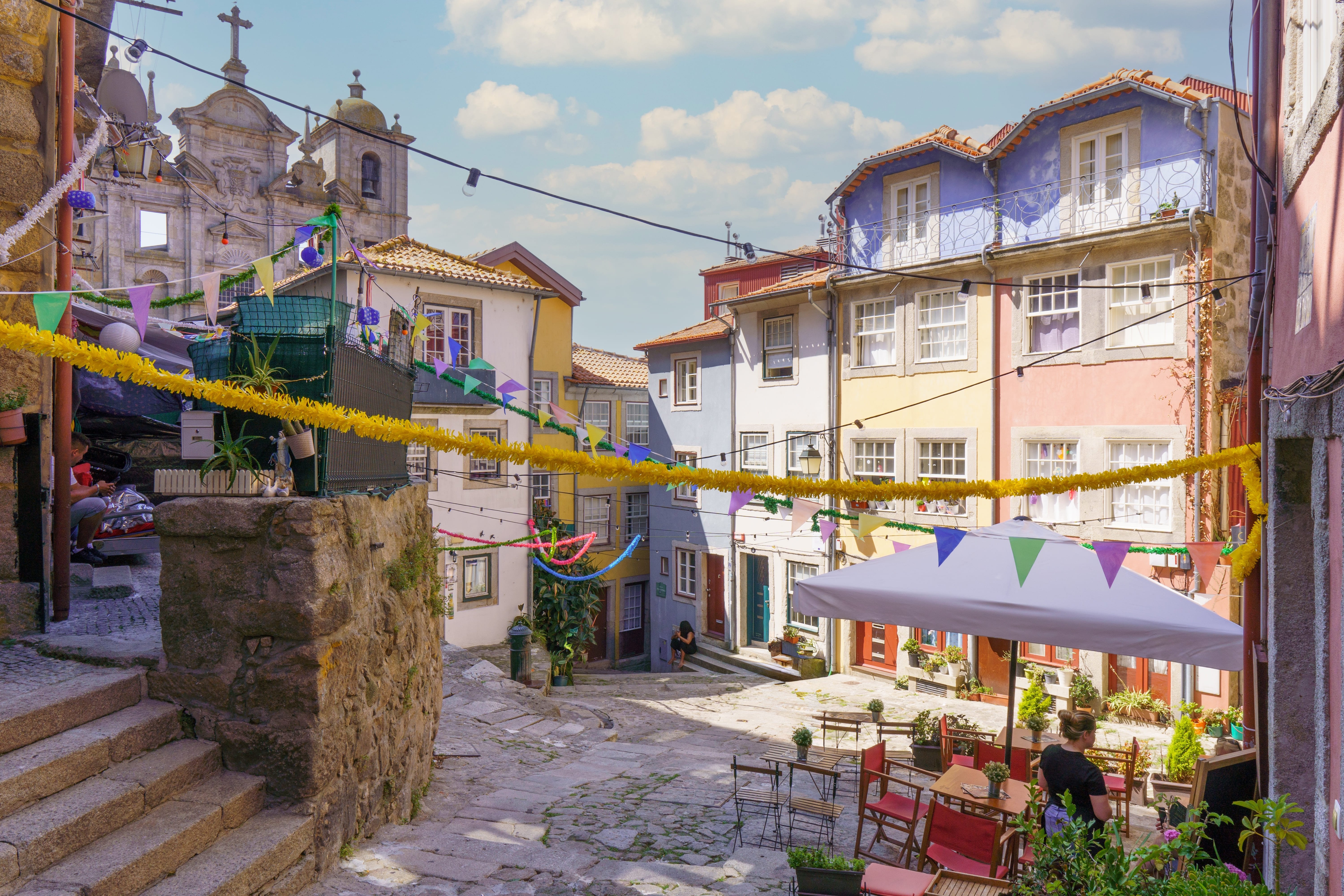
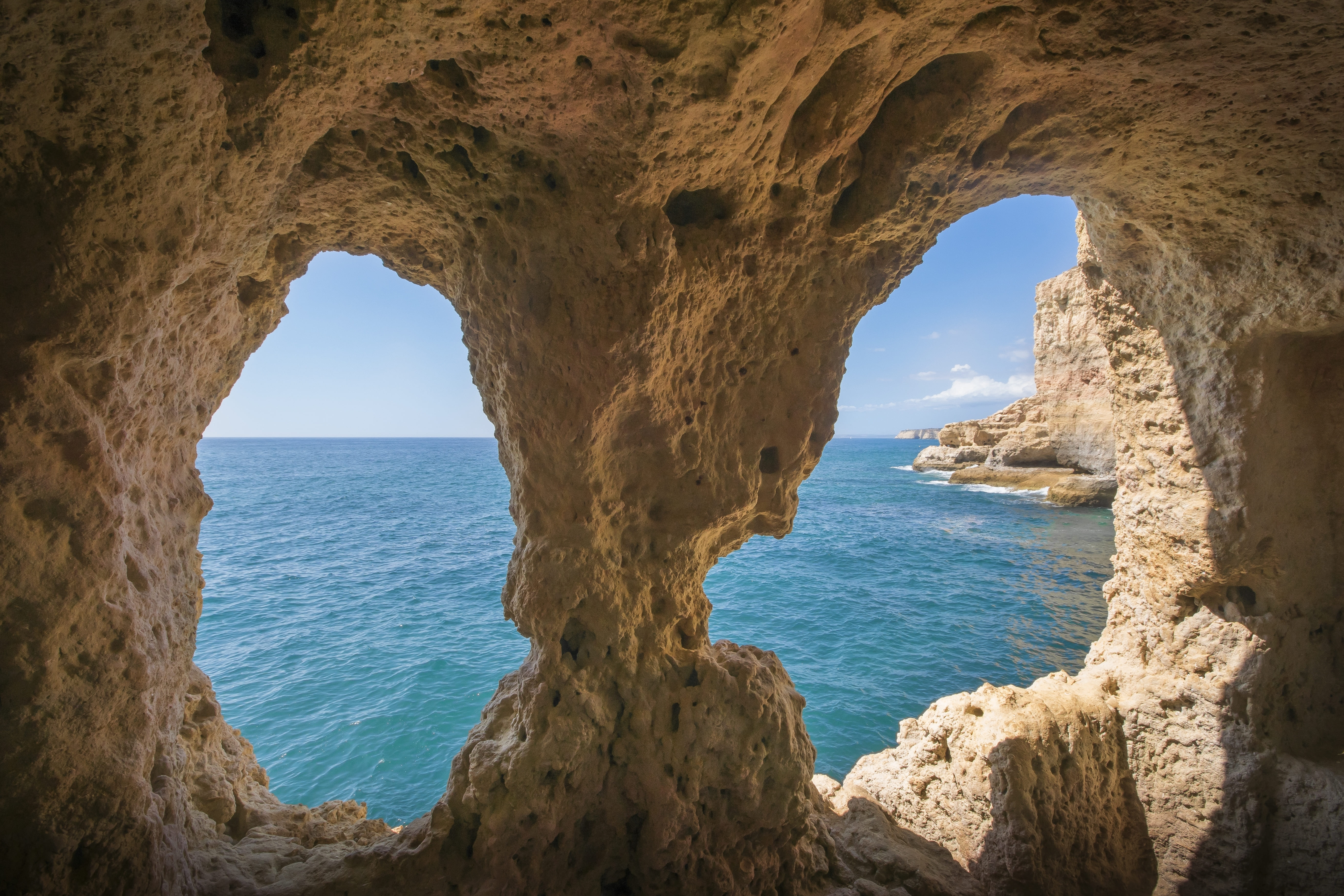
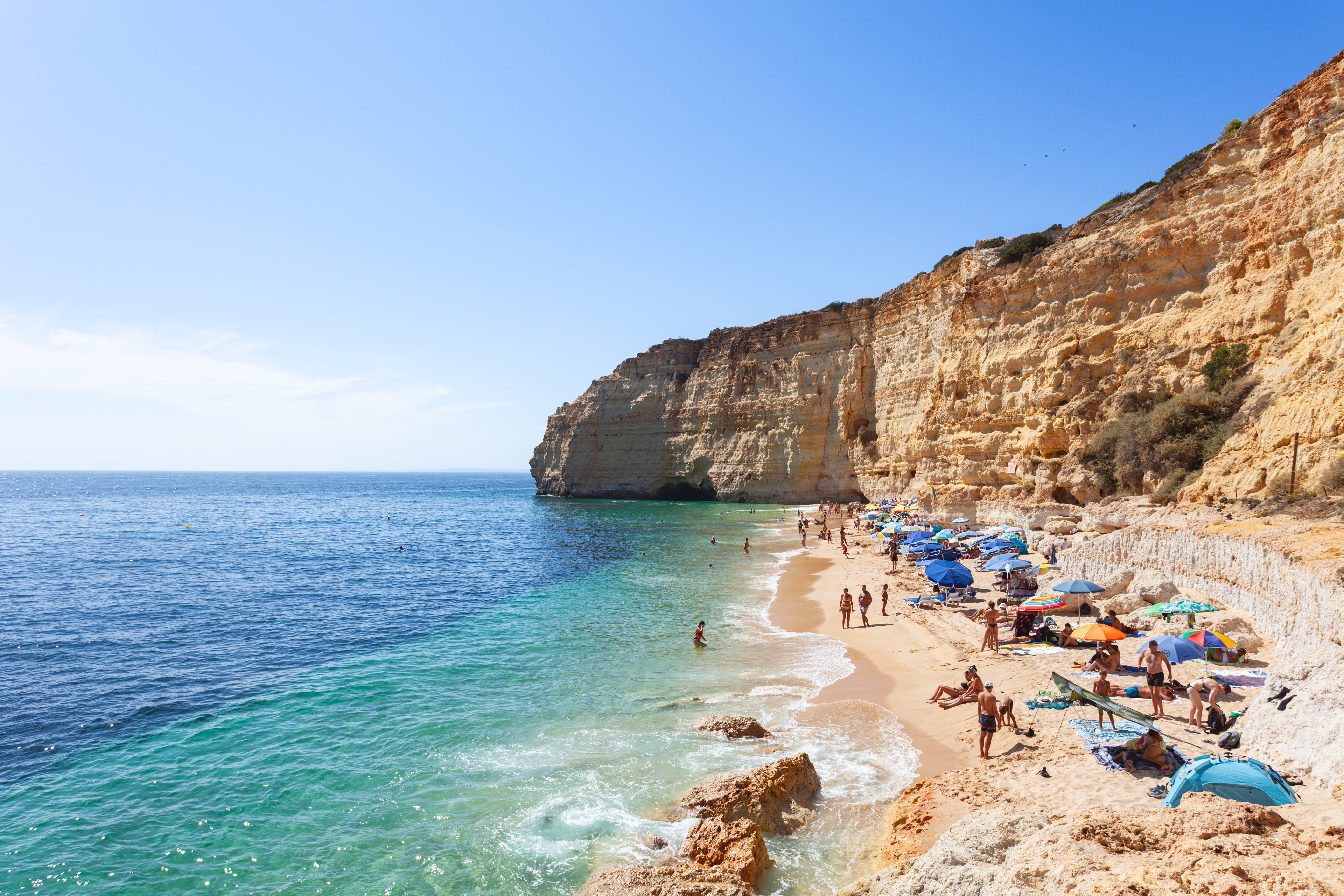
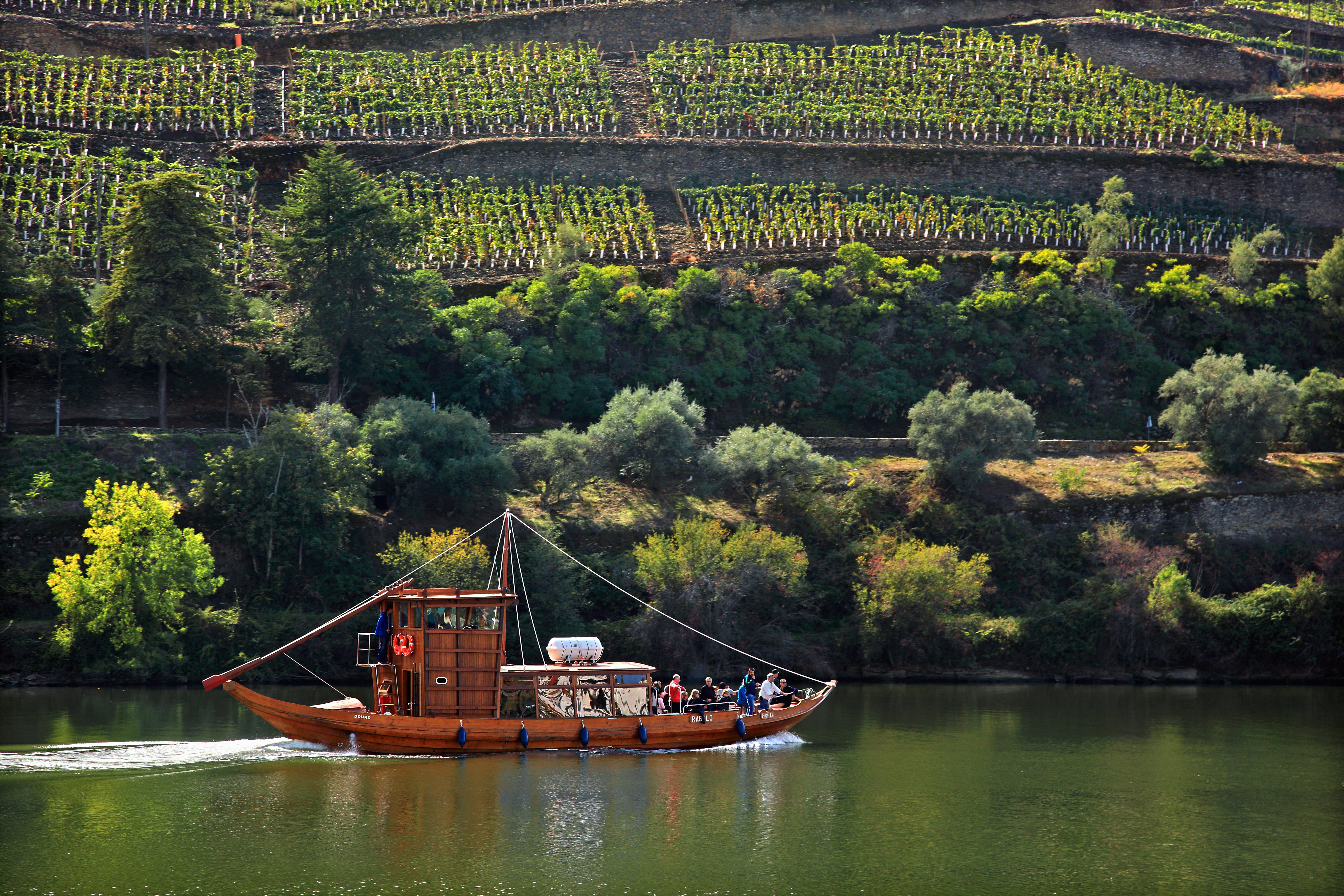
From the golden-sand beaches of the Algarve to the hilly capital of Lisbon, the fertile Douro Valley and the historic city of Porto, Portugal offers something special in every season. Thanks to its location on the Iberian Peninsula, Portugal is warm year-round, making it an ideal place to catch some winter sun in the cooler months, while still being pleasant enough to explore away from the beaches, too.
Whether you’re looking for your next beach holiday or a long weekend city break, here is a month-by-month guide to help you decide when suits you most to visit Portugal.
Month-by-month guide: Portugal
January: Budget-Friendly Winter Sun
Despite being one of the coldest months in Portugal, January is an excellent time to catch some winter sun.
Particularly if you’re from Northern Europe, where the temperatures rarely exceed 5℃ for much of January, a visit to Portugal can provide you with some much-needed Vitamin D, and the pleasant warmth of the sun on your skin.
Even so, the best weather in Portugal during January is largely reserved for the south of the country, mainly in the Algarve.
While it is not as cold as northern Europe in northern Portugal, January can often be wet, so if you’re seeking some winter sun, your best bet is to head to the Algarve.
Average Temperatures:
Lisbon: 8℃ – 13℃
Porto: 6℃ – 14℃
Faro: 9℃ – 16℃
February: Carnival Season
While most of Europe often grits its teeth through the cold month of February, Portugal’s Carnival season really comes to life.
Carnival celebrations take place throughout the country for most of February, so this can be an excellent time to experience the festival atmosphere with colourful costumes, floats, displays and live, upbeat music.
February remains quiet for tourism, meaning that flights and accommodation are also often cheaper than in most other months. If you’re travelling on a budget, February is an excellent month to visit Portugal.
Even popular attractions have fewer crowds, so if you want to experience a cultural holiday without over tourism, then that’s another good reason to visit Portugal in February.
Average Temperatures:
Lisbon: 9℃ – 16℃
Braga: 5℃ – 14℃
Coimbra: 6℃ – 15℃
March: The Beginning of Spring
March is the beginning of spring in Portugal. You can expect a warmth in the air, beautiful long mornings and afternoons, and colourful flowers coming up through the ground after a mild winter.
The countryside is especially beautiful during March, with a grassy carpet covering most of the landscape in the valleys and the national parks. For wildlife, hiking, cycling and photography enthusiasts, Portugal’s national parks are an excellent place to visit in March, with temperatures still mild enough to explore without it being uncomfortable.
The Portuguese football season is often at its climax in March, so visiting a stadium such as that of Benfica, Sporting Lisbon, or Braga is a good way for sports enthusiasts to spend a March visit in Portugal.
Average Temperatures:
Lisbon: 10℃ – 19℃
Vila Real: 5℃ – 14℃
Lagos: 11℃ – 19℃
April: Spring in Full Bloom
Firmly into the shoulder season, April is still surprisingly an underrated month in which to visit Portugal.
The weather becomes increasingly warm throughout the country, while most of the flowers are out in full bloom, transforming the countryside and cities alike with splashes of reds, yellows, purples and more.
Outdoor dining is another sign that April has well and truly arrived in Portugal, with cities such as Lisbon and Porto opening their outdoor dining terraces – perfect for everything from a morning coffee to an evening meal.
Despite the beautiful weather conditions, April does not attract too many tourists to Portugal, making it the perfect time to visit for those who want a quieter holiday experience.
Flights and accommodation are often very reasonably priced, and city breaks are an excellent way to combine sunshine with comfortable exploration conditions. Experiences such as
historic walking tours are a superb way to explore Portugal in April.
Average Temperatures:
Lisbon: 11℃ – 20℃
Braga: 8℃ – 18℃
Vilamoura: 12℃ – 21℃
May: Summer Sunshine in Spring
May is generally considered one of the best months to visit Portugal. Summer-like days at just a fraction of the price it costs to visit in July or August, May is generally classed as the shoulder season, but for many travellers, this is the best time to visit Portugal.
The summer crowds have not yet arrived, but seasonal resort towns such as those along the Algarve have opened up for the season, meaning you can experience the beautiful Portuguese beaches on the country’s south coast without them being overrun by tourists.
The countryside is also at its lushest, making national park visits and hikes in places such as the Douro Valley an excellent option if you plan on visiting in May.
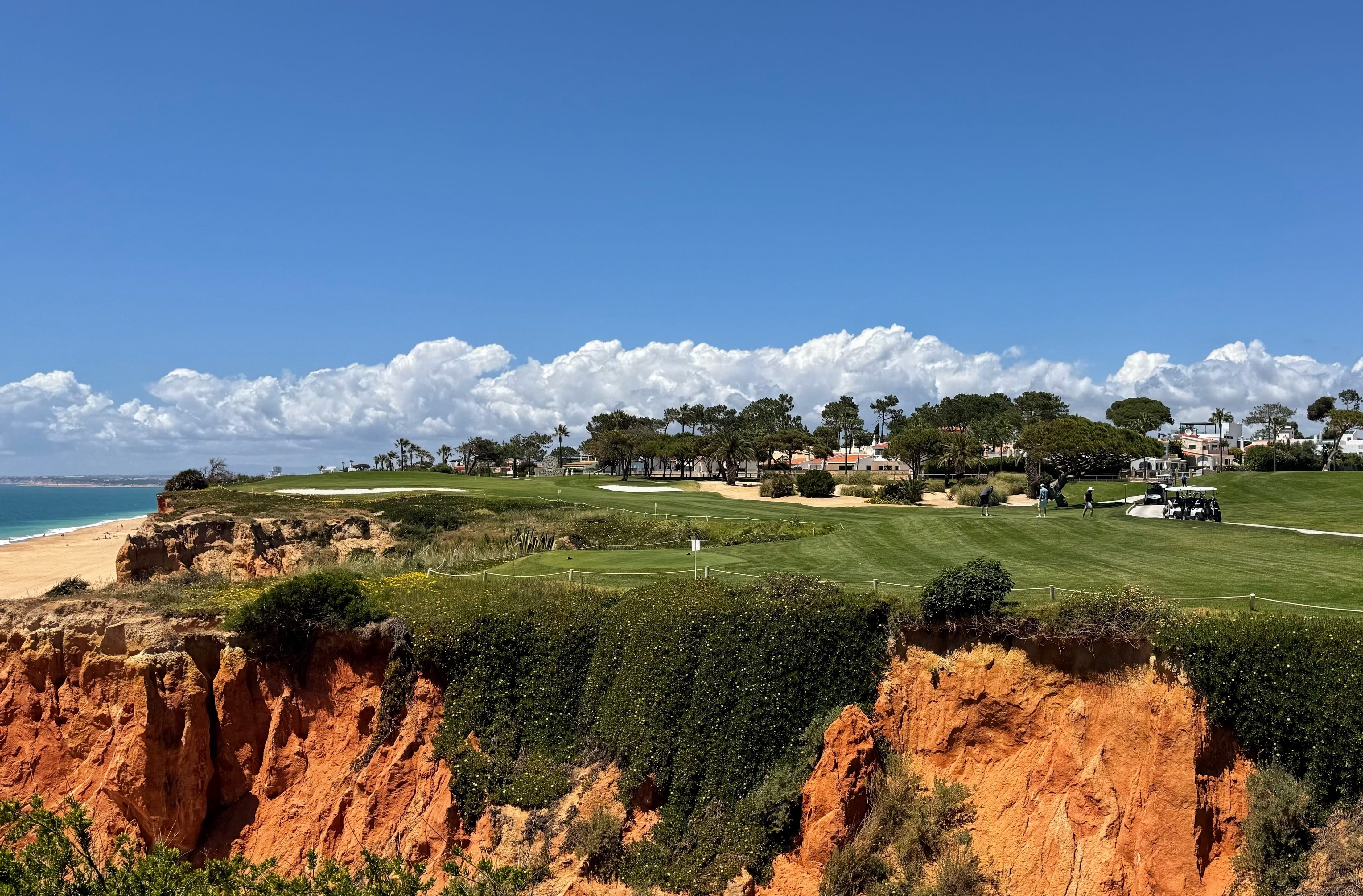
For keen golfers, the Algarve is one of the best places in Europe to play – and by visiting in May, you avoid both peak season crowds and prices, particularly in places like Tavira in the Eastern Algarve.
Average Temperatures:
Lisbon: 13℃ – 22℃
Porto: 12℃ – 20℃
Tavira: 16℃ – 26℃
June: Early Summer Without the Crowds
For guaranteed good weather and an early summer holiday, June is the best time to visit Portugal. The sea temperatures off the Algarve are around 21℃, making it pleasant for swimming, snorkelling and relaxing on the beach.
Meanwhile, in other parts of the country, the summer festival season begins in June, with celebrations such as Festa de Lisboa, celebrating Saint Anthony, while in Porto, São Joāo Festival is held on 23rd June, celebrating Saint John, the patron saint of the city.
June also marks the month when surfing conditions are at their finest for all levels of surfers – from beginners who can tackle the forgiving waves off the Costa de Caparica, while experienced and professional surfers can head to Ericeira for some of the biggest and best waves in Europe.
For the perfect blend of a beach holiday, a cultural holiday and an active holiday, head to Portugal in June.
Average Temperatures:
Lisbon: 16℃ – 26℃
Ericeira: 17℃ – 25℃
Peniche: 15℃ – 23℃
July: Beaches and Outdoor Activities
Portugal’s peak tourist season starts in July, and with guaranteed warm, dry days and long, mild nights, it’s easy to see why.
The country’s beaches are at their very best, but this can also mean that they are busy – so if you’re planning a beach holiday in the Algarve, you must book in advance.
Dining outdoors throughout the country is more popular than eating inside in July, so whether you’re planning on enjoying a pastel de nata and an espresso early in the morning or a few ice-cold Sagres or Super Bocks in the afternoon, make sure that you enjoy them under the Portuguese sunshine.
July is also a popular time for families to visit Portugal, with many schools finishing the academic year in mid to late July, so you can also expect the price of flights and accommodation to rise sharply towards the end of the month.
Average Temperatures:
Lisbon: 18℃ – 30℃
Porto: 17℃ – 26℃
Albufeira: 19℃ – 29℃
August: Peak Tourism Season
The busiest month to visit Portugal is August. The sun is at its strongest, the beaches are packed, and the cities are buzzing with local and international visitors alike.
But it’s not just relaxing on the beach that August is good for: Portugal’s tourism sector comes alive with all sorts of activities and tours to do, including some which offer a quintessential taste of a Portuguese summer, including
wine tasting and tapas.
If you are planning to visit Portugal in August, you will need to be prepared for high temperatures and large crowds, particularly in Lisbon and along the Algarve, so booking in advance is essential to get a good deal on flights and accommodation and to guarantee your place on a tour.
Average Temperatures:
Lisbon: 19℃ – 31℃
Braga: 16℃ – 29℃
Faro: 19℃ – 30℃
September: The Sweet Spot
While not as hot as August, September still delivers in Portugal: sunny days, mild nights, quieter beaches, and excellent surfing conditions.
With significantly reduced prices for just about the same weather conditions, September can be a fantastic choice if you’re a budget-conscious traveller, as flights and accommodation prices shoot down after the peak summer crowds have left in late August.
For a more culturally authentic holiday, with quieter towns and cities, but with the sea still warm enough to swim in, then September is definitely the best month to visit Portugal.
Expect all the advantages of a beach holiday without the crowds, or if you’re visiting a city, you can explore it without the sweltering summer heat.
Average Temperatures:
Lisbon: 17℃ – 27℃
Porto: 15℃ – 23℃
Lagos: 19℃ – 27℃
October: Wine Season
By October, many people across Europe have switched from cold beers to red wine, and if this sounds like you, then October is the perfect time to visit Portugal.
The Douro Valley is one of the best wine-producing regions in Europe, if not the world, and October is when the grapes are harvested, and the wine flows. Make the most of it with a wine tour of the stunning Douro Valley,
this private one combines boutique wine producers, lunch, and a river cruise from £58 per person.
With autumn colours transforming the countryside from bright green to hues of orange, red and yellow, while temperatures are still pleasant enough so that you can wear shorts and a t-shirt while enjoying some of the finest wines in Europe, October is a perfect month for food and drink enthusiasts to make the most of the truly warm weather in Portugal while enjoying some of the country’s most stunning scenery.
Average Temperatures:
Lisbon: 15℃ – 23℃
Porto: 12℃ – 23℃
Vilamoura: 16℃ – 24℃
November: The Best Month for Budget Travel
If there was ever an underrated month to visit Portugal, November would be crowned the winner.
While many visitors are put off by the rain in the north of the country, November is actually a fantastic time to visit Portugal because of the budget-friendly prices: flights and accommodation are at their lowest, crowds in cities and resort towns are almost non-existent, and particularly in the Algarve, you can enjoy a quiet holiday by the coast with generally pleasant weather.
The sea temperature is generally not warm enough for swimming and snorkelling, but the waves which crash into Portugal’s coast from the North Atlantic make for fantastic surfing conditions, particularly along the northwestern and southwestern coastlines.
In addition, if you want some lovely warm temperatures, Madeira is an excellent choice of destination, where the temperatures are still in the 20s throughout November.
Average Temperatures:
Lisbon: 11℃ – 18℃
Portimāo: 12℃ – 16℃
Funchal: 17℃ – 23℃
December: Festive Season in Full Swing
Portugal may not be the first destination that comes to mind for a European city break in December, but there is a wonderful festive atmosphere in the country throughout the month.
Christmas markets are dotted throughout Lisbon and Porto, with bright lights and cosy cabins, while the Algarve remains one of the best winter sun destinations in the country, with temperatures meaning that walking around in a light jacket or even just a t-shirt is certainly doable.
Funchal, the capital of Madeira, hosts one of Europe’s best – if not the best – fireworks displays on New Year’s Eve, and combined with the mild climate, this can be a fantastic place to spend the New Year.
If you want pleasant weather, the Azores are also a good place to visit, and while the days can sometimes be wet, it’s still warm and quiet – and one of the best times of the year to see the island group’s resident sperm whales on a boat trip.
Average Temperatures:
Lisbon: 9℃ – 15℃
Albufeira: 12℃ – 17℃
São Miguel: 13℃ – 19℃