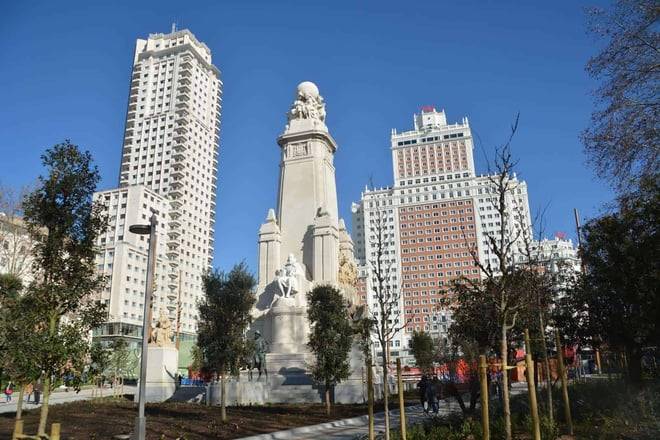
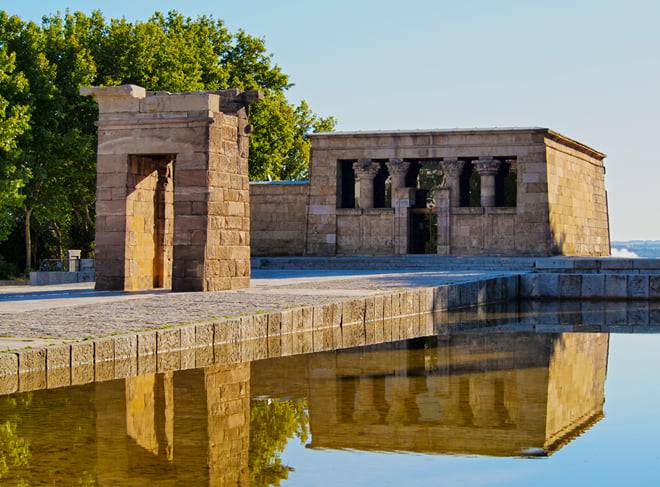
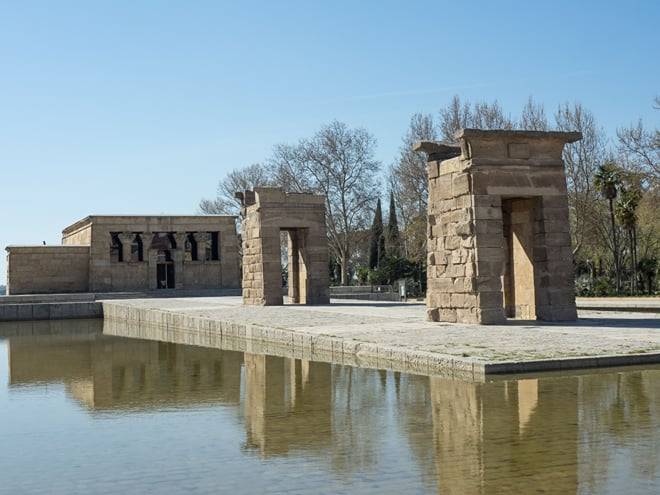
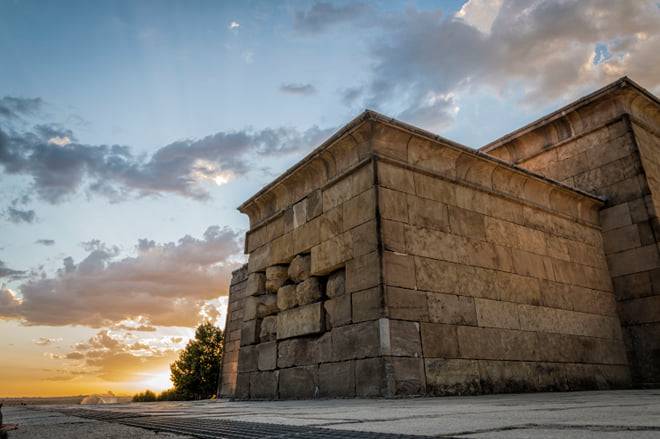
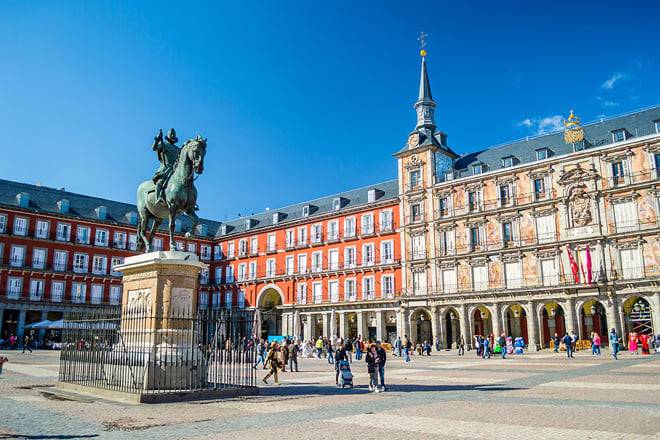
The route threads through the heart of Madrid, using streets, buildings and plazas as a living canvas for the city’s 20th-century upheavals. Beginning at the former site of the Montaña barracks beside the Temple of Debod, the walk explains how fighting broke out in the capital on 20 July 1936 and how Madrid endured a prolonged siege. From the terrace above Parque del Oeste, directions and sightlines reveal the positions of Casa de Campo and Cerro Garabitas, from which the city was shelled during the three-year conflict.
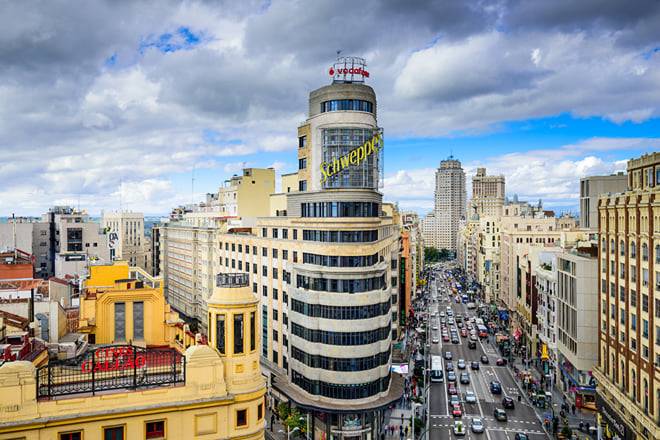
Passing through Argüelles, participants learn how a neighbourhood that was heavily damaged during the war was later rebuilt and how front lines once cut through today’s residential streets. Along Gran Vía the Telefónica building is recounted as an observation post and a hub for foreign press, with stories of correspondents such as Ernest Hemingway, Martha Gellhorn and Gerda Taro. The tour considers the everyday realities of wartime Madrid—metro stations used as shelters, rationing and propaganda—and then follows the city’s slow post-war trajectory: repression and censorship, years of scarcity, the gradual reopening to the outside world, the death of Franco and the negotiated shift towards democracy. Because Madrid contains relatively few plaques or museums dedicated to this era, the narrative commentary is essential in linking visible urban fabric to the events and experiences that shaped modern Spain.