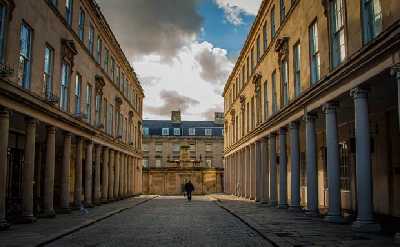
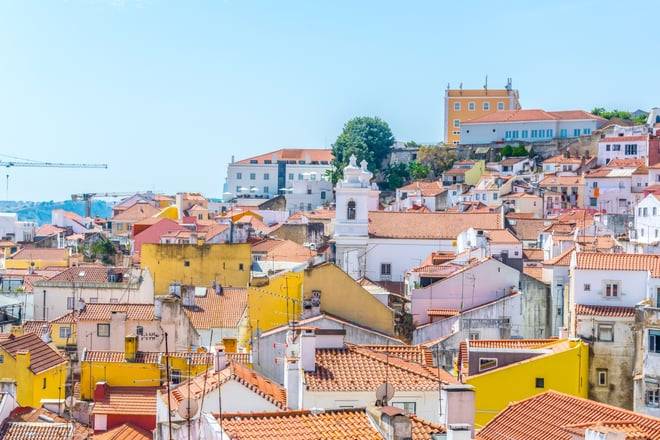
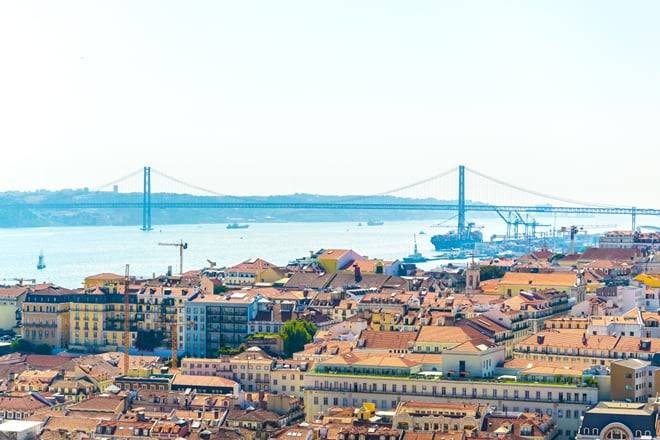
On 1 November 1755 Lisbon was devastated by earthquake, tsunami and fires that flattened much of the city. Two neighbourhoods endured: Alfama and Mouraria. This self-guided walking experience leads you from the rebuilt grandeur of Praça do Comércio into the ancient, winding lanes of Alfama, a district shaped by more than a millennium of Moorish influence. Narrow alleys open onto hidden courtyards and miradouros with panoramic views across the Tagus and a patchwork of terracotta roofs. Houses here are often clad with azulejos — the colourful ceramic tiles that both tell local stories and helped protect buildings from fire while keeping interiors cool in the Mediterranean climate.
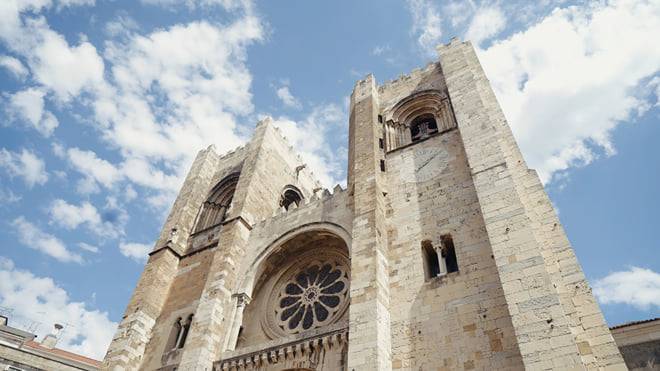
Crossing into Mouraria, you enter the multicultural quarter linked to Lisbon's earliest Moorish settlers and later Christian reconquest. It is in these streets that Fado — Portugal's soulful music of longing — first found its voice. You will pass the fortress-like Sé Cathedral, built on the ruins of an earlier mosque, and end at Miradouro de Santa Luzia where the neighbourhoods reveal their authentic character. This route invites reflection on history, everyday life and artistic traditions, with plentiful spots for photography, quiet pauses at viewpoints and an intimate sense of Lisbon’s living past.
 Duration:
 Group: